

X-ray / P.A View
Precise, low-radiation dental X-rays that let us see exactly what's happening beneath the surface the first step toward an accurate diagnosis and the right treatment plan.
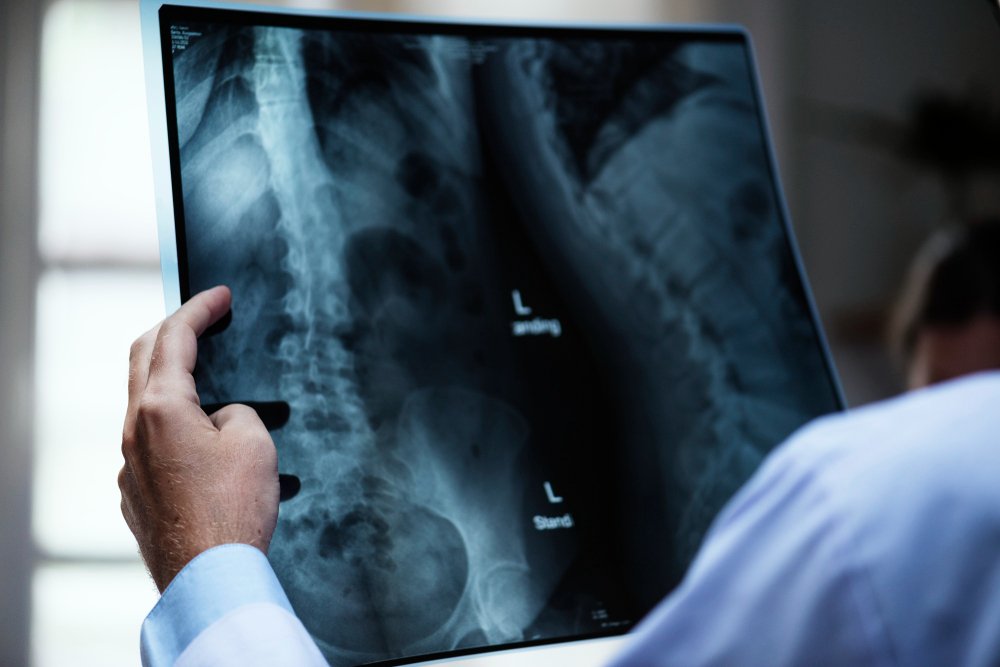
What Is a P.A. View X-Ray?
Seeing what a visual exam alone can't
A periapical (P.A.) X-ray captures a single tooth from crown to root tip, along with the surrounding bone giving a clear view of what's happening below the gumline that a visual exam simply can't show.
It's one of the most commonly used diagnostic tools in dentistry, helping identify decay between teeth or beneath old fillings, infection or an abscess at the root tip, bone loss around a tooth, or confirming that a root canal or implant is positioned exactly as planned.
We use digital X-ray technology, which requires significantly less radiation than older film-based methods and produces an image instantly so we can review it together with you, right there in the same visit.
Why X-Rays Matter
The full picture, not just the surface
A quick X-ray often reveals what determines the entire course of your treatment.
Reveals Hidden Problems
Decay, infection, and bone loss often aren't visible to the eye an X-ray catches what a visual exam alone would miss.
Minimal, Low-Dose Radiation
Digital X-ray technology uses significantly less radiation than traditional film X-rays.
Instant Digital Results
Images appear on screen within seconds, so we can review and discuss them with you in the same appointment.
Accurate Treatment Planning
An accurate diagnosis means the right treatment is planned from the start — no guesswork involved.
Detects Issues Early
Catching decay or infection early, before symptoms worsen, usually means simpler, less invasive treatment.
Safe for Regular Monitoring
Low radiation levels make it safe to repeat X-rays as needed to track healing or monitor a treated tooth over time.
When It's Needed
Common reasons a P.A. X-ray is recommended
X-rays support many different treatments your dentist will let you know if one is needed for your visit.
- Commonly Recommended When
- Experiencing tooth pain, sensitivity, or swelling
- Preparing for root canal, implant, or extraction treatment
- Checking for decay between teeth or beneath old fillings
- Confirming the position of an unerupted or impacted tooth
- Part of routine monitoring during regular check-ups
- Special Considerations
- Pregnant patients: We'll discuss timing and any necessary precautions
- Recent X-rays elsewhere — bring existing records where possible to avoid unnecessary repeats
- Children — child-appropriate settings and shielding are used as standard
Your dentist will always explain why an X-ray is being recommended before it's taken.
Ready When You Are
See the full picture of your oral health
Book a visit for a quick, precise diagnostic X-ray.